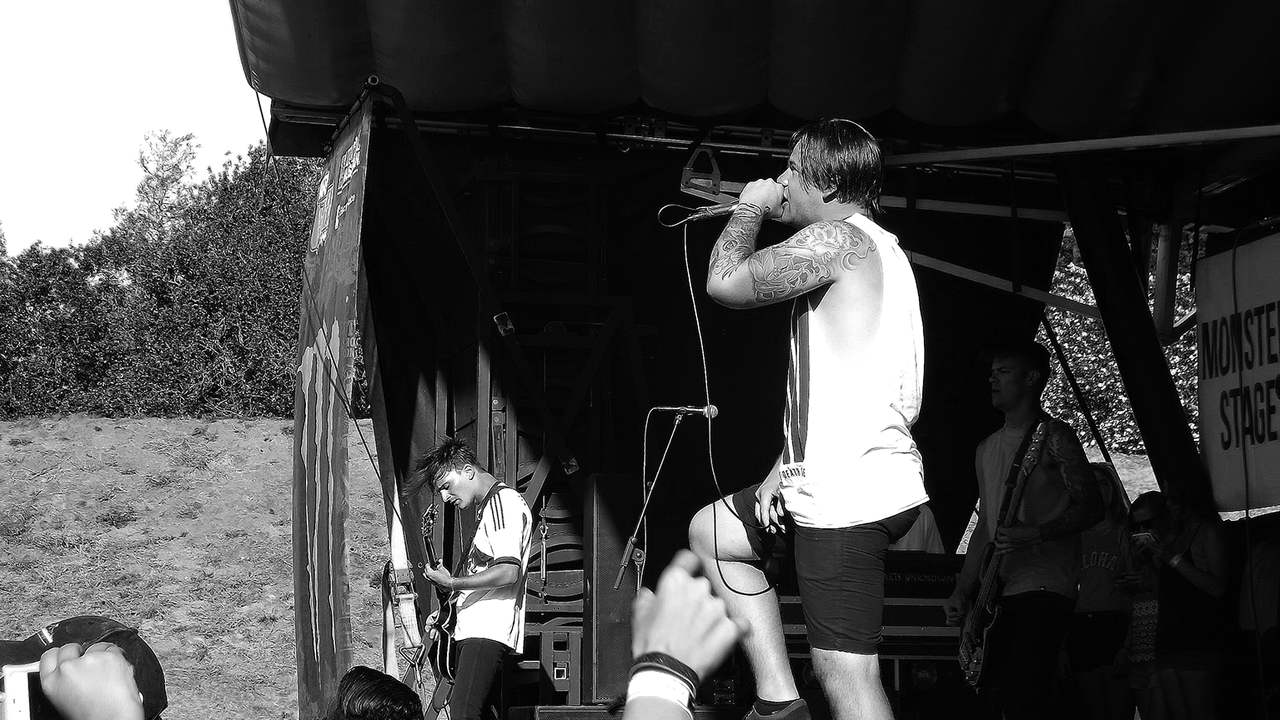
As of January 2025: Death Angel's exit from W.A.S.P.'s fall 2024 North American tour came down to a calendar problem, not a collapse. A member's commitments to another band overlapped the dates, the band could not find a fix the tour would accept, and they stepped off. Any band with members in more than one project can end up in the same spot.
What happened
In August 2024, Blabbermouth reported that Death Angel would no longer support W.A.S.P. on the fall run, citing unforeseen circumstances, with Armored Saint taking the slot. The band's own statement a few days later pointed to unforeseen circumstances and scheduling conflicts, thanked the W.A.S.P. camp and said they looked forward to getting back out.
Later interviews filled in the rest. In December 2024 guitarist Ted Aguilar said the conflict was with singer Mark Osegueda's dates in Kerry King's band. In January 2025 Osegueda said on San Francisco radio that he had told the band's decision-makers he could not guarantee availability for the whole tour, that he suggested fill-in singers so the band could keep the slot, and that the tour side turned down a substitute for two stretches of dates. He also said the online criticism turned personal once the exit was tied to his other commitment.
That is the public record. The rest is between the band and the people involved.
Lesson one: put every member's calendar in one place
Side projects, session work, day jobs and family dates all compete for the same weeks. In most bands nobody sees the full picture until an offer arrives.
- Keep a shared calendar where every member blocks known commitments from other projects, including "probably" dates.
- When a member joins a second band, agree up front how conflicts get decided and how early each band hears about new dates.
- Before confirming a support run, have every member confirm every date in writing. A group chat thumbs-up is not a confirmation.
Non-disclosure agreements on new projects can make this harder. Even if a member cannot say what the project is, they can say "I am not available these weeks."
Lesson two: offer the fix early, and know it may get refused
Suggesting fill-ins was the right instinct. But a headliner and its agents booked your band as it is, and they are allowed to say no to a substitute. Raise a possible conflict at the offer stage, not after the tour is announced, while there is still time for everyone to plan around it.
Lesson three: announce it plainly
Death Angel's statement was short, thanked the headliner and did not trash anyone. That is the right model. Fans will fill silence with guesses. Say what you can, say when you will be back, make refunds easy if any tickets were sold on your name, and do not argue with the comment section. When it goes personal against one member, the band should say publicly that the decision was a band decision.
Lesson four: use the gap
Aguilar said the band put the open time into writing the next record and focused on their December shows in San Francisco. A canceled run frees weeks. Put them into something that earns or builds: writing, recording, a regional weekend you control, a merch drop.
Before your next support offer, get every member to block their other commitments on one shared calendar for the full tour window.