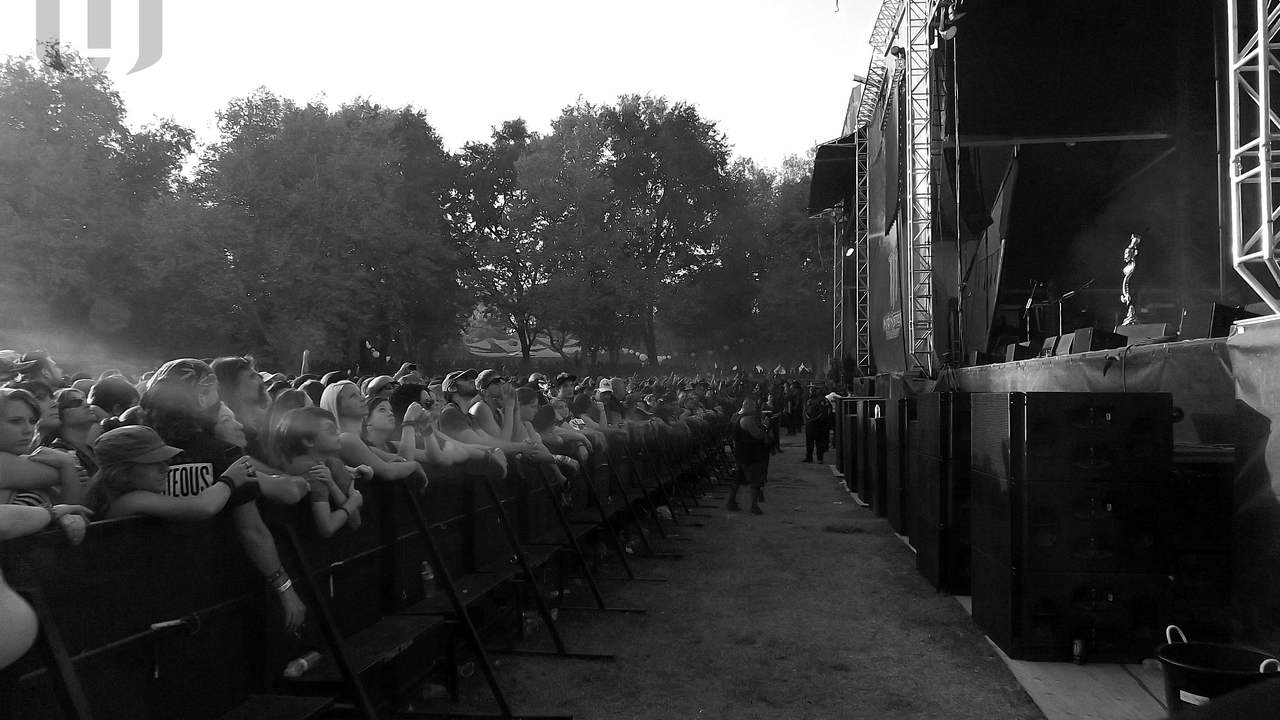
The format changed from vinyl to CD to download to stream. What a working musician takes home didn't keep up with any of it. The gap isn't about talent or work ethic; it's built into how the money moves.
Streaming pays in fractions
Streaming services pay out of a shared pool, split by share of total plays. When the Living Wage for Musicians Act was introduced in March 2024, its sponsors put the average at about $0.003 per stream. At that rate, 100,000 streams comes to roughly $300 before the label, distributor and band split it.
On Spotify, a track also has to clear 1,000 streams in the previous 12 months (and an unpublished unique-listener minimum) before it earns recorded royalties at all, a rule in effect since April 2024.
A pool split by share of plays rewards whoever already has the most plays. Independent bands, with no label marketing behind them, are working the hardest for the smallest slice.
Live money props up everything, until it can't
Without label support, most bands live on three lines: shows, merch and whatever streaming adds. Then there's the unpaid fourth job of making content to promote all three.
The pandemic showed how thin that is. When live shows stopped, the main income source for most working bands stopped with them, and streaming was nowhere near enough to cover the gap. Nothing about the structure has changed since. If the van breaks down or a tour falls through, there is usually no cushion.
Fixes worth pushing for
Policy. The Living Wage for Musicians Act proposed a minimum of one cent per stream, paid from a new fund financed by a subscription fee and a tax on streaming companies' non-subscription revenue. Whatever you think of that design, the point stands: musicians need a seat when payment rules are written, not just a comment section afterward.
Platforms that pay a real share. Bandcamp keeps 15% of digital sales (10% after $5,000 in sales over the past 12 months) and 10% of physical sales, plus payment processing. Send fans there before you send them to a stream.
Collective bargaining. One band negotiating with a venue or a platform has no leverage. Musicians' unions and artist coalitions can negotiate rates, contracts and benefits that nobody gets alone. If you've never looked at what your local musicians' union offers working players, look.
What other countries already do
Some governments treat musicians as workers with irregular income rather than hobbyists. The details and eligibility rules change, so check the official source for each.
- France: intermittents du spectacle. A specific unemployment insurance scheme for performers and crew, built around the gaps between contracts that define the job.
- Germany: Künstlersozialkasse (KSK). For self-employed artists, the KSK covers half of their health, long-term care and public pension contributions, funded by the government and by businesses that hire freelance artists.
- Canada: FACTOR. The Foundation Assisting Canadian Talent on Recordings funds Canadian artists and music businesses through a set of programs aimed at different career stages.
None of these is a fantasy. They exist, they run, and they are a useful answer when someone says musician pay can't be fixed.
Why it matters
Music fills festivals, sells subscriptions and soundtracks ad campaigns, and the people who make it are often the last paid. Praise is free; a fair rate isn't. Fans can buy direct and show up. Musicians can organize and push for policy. Both are needed.
Before your next release, list every place your music earns money, write down what each one actually paid last year, and move your promotion toward the top earners.