A lot of bands still treat a record deal as the finish line. It isn't. Labels sign bands that already make money, and the way most bands get there now is touring.
What a label actually wants
The old idea was that a label would find you, develop you and pay for you to grow. That version of artist development is mostly gone. Labels want acts that already prove they can sell tickets and merch, or that fit a sound that's moving right now.
Signing can also cut your take. A label may sign several bands with a similar sound and put its real push behind one, while the rest wait. Depending on the contract, money your band earns can go to recouping the label's costs before any of it reaches you.
There's a right time for a deal: when your band is big enough that you need a company behind you, and strong enough to negotiate the terms. Show up with a draw and sales numbers, and you're the one setting conditions.
Build the draw on the road
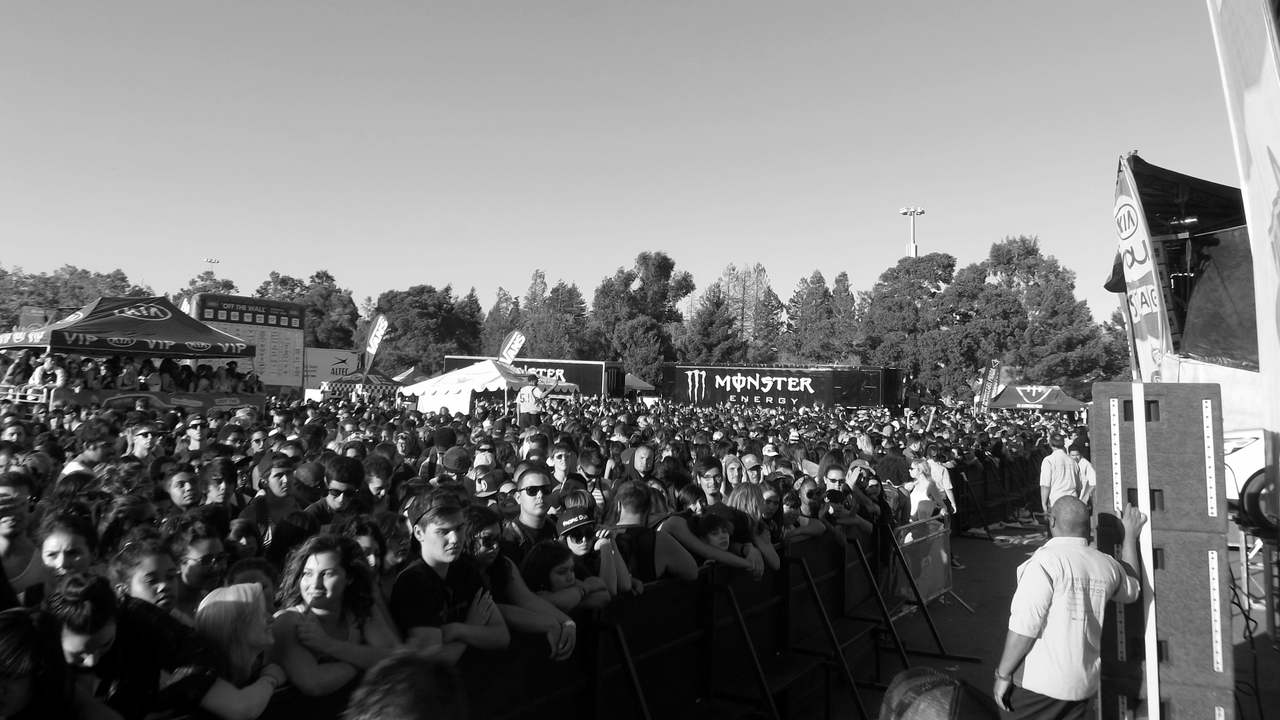
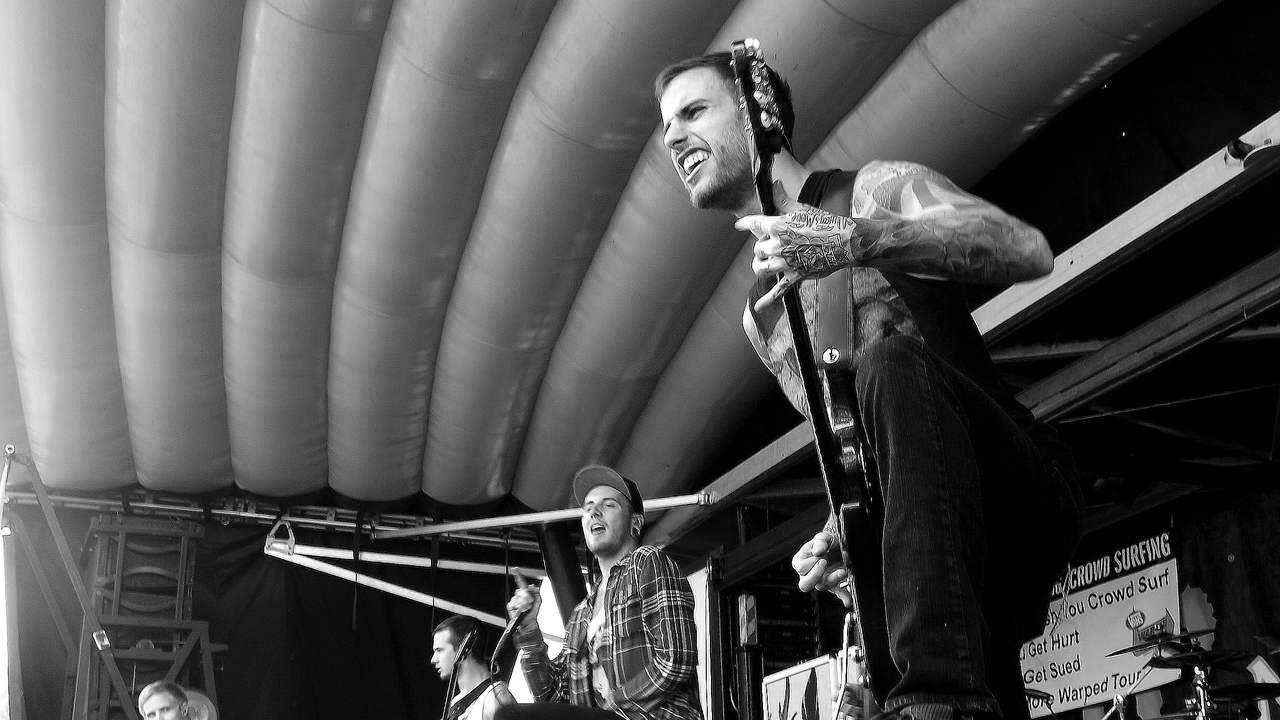
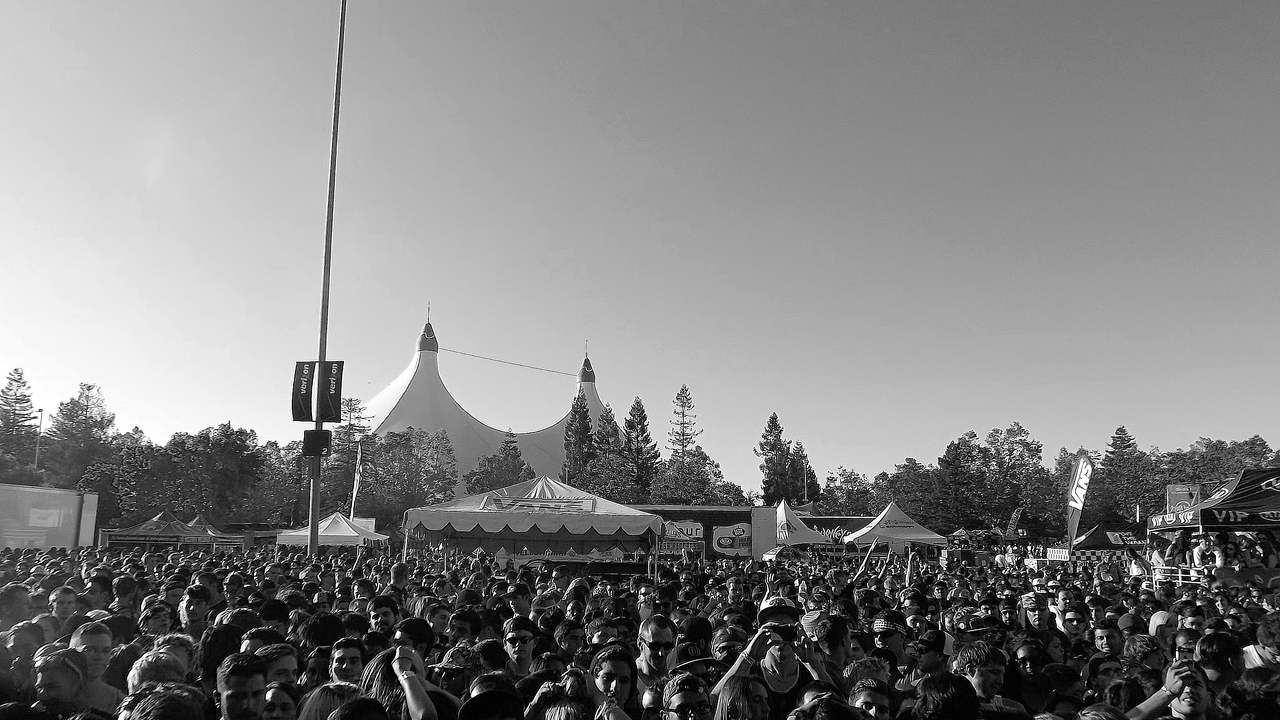
Every band we've talked to says the same thing: the road is how you build a fanbase. When record sales paid most of the bills, some bands barely had to tour. That changed a long time ago.
- Book your own runs first. Start with weekend trips to cities a few hours away. Venue databases like Indie on the Move can help you find rooms and contacts.
- Don't trust the hometown number. A packed local bill with five bands mostly shows how many friends five bands have. The real test is the out-of-town Tuesday. Expect a smaller room and play it like it's full.
- Get a booking agent when you can. A good agent earns a commission on your shows and opens doors you can't. Get the percentage and what it applies to in writing, and compare it to what a label would take in return for what it actually does.
- Sell at the table every night. You're a traveling merch store with a show attached. Records and shirts you make yourself carry a margin that a label deal usually swallows, so keep your own stock.
Check your history
This isn't the first time the business has flipped. Before recorded music, the only way to hear a song was to hear someone play it, and working live musicians were in demand. Records and radio moved the money toward recordings, session players and the companies that owned the masters, and a lot of live players lost work.
When bands started writing their own songs, the market for professional songwriters shrank and shifted toward made-to-order pop. Each change felt like the end of something. Each time, the people who adapted kept working.
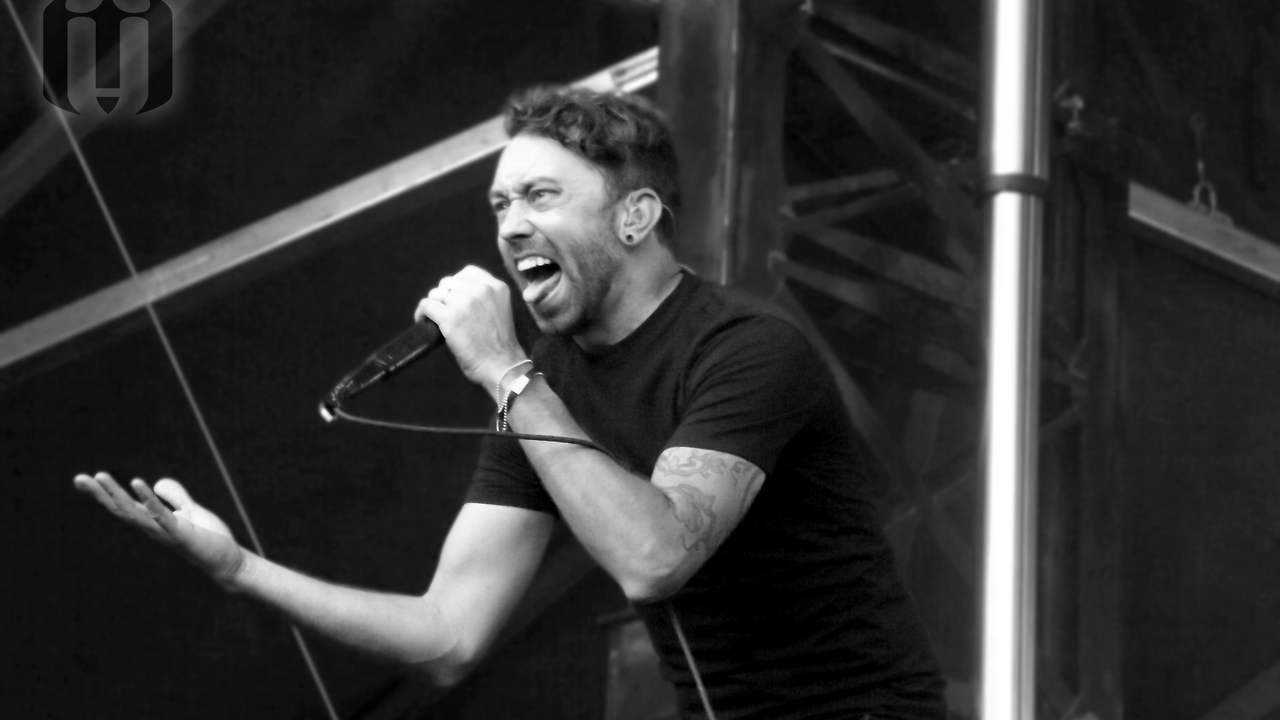
Free and cheap access to recorded music pushed the value back toward the thing nobody can copy: the show in the room. At the same time, an independent band can now reach listeners online on close to the same terms as a major label act, and keep control of its own career while doing it.
The deal can wait. The van can't. Book one out-of-town weekend this month and count who actually shows up.